
The Airport Survival Guide:
Insider Moves You Won’t See on Instagram
What makes airports exhausting isn’t chaos—it’s precision.
They’re tightly choreographed systems pushed right up against human limits. Schedules stack. Traffic arrives in waves. Staff rotate on rhythms you can’t see. Add tired people, time pressure, and a few thousand individual agendas, and the whole thing feels random—even when it isn’t.
Once you stop fighting that and start moving with it, everything shifts. You begin to notice patterns: when crowds surge, when they thin, how people behave under stress, where attention drops and opportunities quietly appear. At that point, the airport stops feeling like a survival exercise and starts feeling like a puzzle.
And puzzles are frustrating, until you learn where the edges are. After that, they’re kind of fun.
Here are a few travel hacks you might find useful for your next flight:
1. Choose Security Lines Based on Human Psychology, Not Length
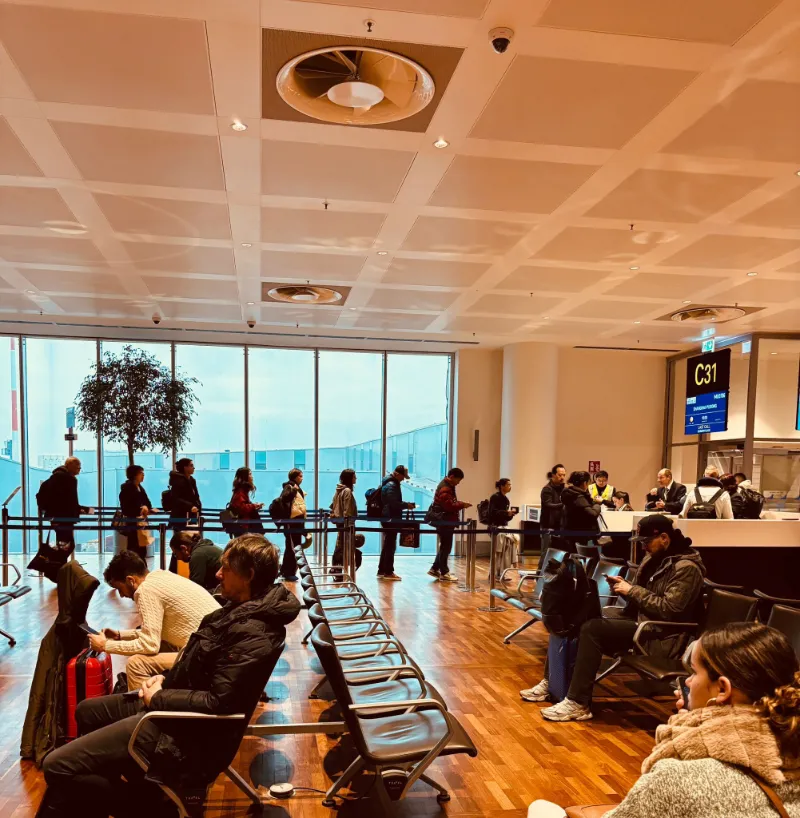
Everyone fixates on the shortest security line. I’ve learned to look at something else entirely: who is standing in it.
Throughput at airport security has very little to do with headcount. It’s about friction. One well-meaning traveler with a half-empty water bottle, three electronics, and a last-minute belt removal can quietly bring an entire lane to a halt.
Over time, patterns become obvious: lines heavy with families and strollers (and I say this lovingly—I’m often part of that group), large retiree tour groups, or travelers in boots, belts, ornate jewelry, and layered clothing tend to move in fits and starts. There’s more reorganizing, more redistributing, more surprises in the bins.
The lines that flow look different: business travelers in simple clothing. Solo flyers already holding their laptops. Lanes near airline lounges, where frequent flyers cluster and everyone seems to know the choreography by heart.
I’ll take a longer line of efficient people over a short line of chaos every time.
2. Boarding Isn’t About Seat Priority—It’s About Overhead Bin Economics
Early boarding gets marketed like a luxury—but mostly, it’s about overhead bin real estate. Here’s the rule:
- If you must keep a bag above you—fragile gear, meds, valuables—board early.
- If you don’t, boarding late is usually smarter.
Here’s why late boarding often wins:
- Airlines almost always end up gate-checking some bags.
- Late boarders get politely asked first, instead of being forced.
- By the time you stroll off the plane, your bag often beats you to baggage claim.
Bonus: sitting at the gate for an extra twenty minutes while others scramble overhead means less time trapped in a metal tube, inhaling recycled excitement.
Early boarding isn’t about prestige—it’s about need. Otherwise, patience pays off.
3. Bathrooms Near Gates Are the Worst. Walk 90 Seconds.
Gate-adjacent bathrooms are a trap. They absorb:
- Just-deboarded flights
- Nervous pre-boarders
- Entire families, all at once
The result? Lines, chaos, and questionable hygiene.
The hack: walk a little. Head toward unused or international gates. Seek bathrooms tucked behind food courts or near conference rooms.
These spots are quieter, cleaner, and stocked-because airport staff use them too. It’s a small move, but it cuts airport stress by an almost irrational amount. Sometimes, a little distance is everything.

4. Food Timing Beats Food Quality
Airport food gets a bad rap, and honestly, it deserves some of it—but the real secret isn’t what you eat. It’s when.
I’ve noticed airports operate on a strange rhythm. Right before boarding starts, every restaurant is chaos: lines snaking into walkways, fridges mysteriously empty, every barista looking like they’ve aged five years since dawn. It feels like the whole terminal decides to eat at once.
But give it ten minutes.
The moment most flights around your gate finish boarding, the magic happens. Places that looked destroyed suddenly have open tables. Fresh trays appear. Staff can breathe again. Food options quietly reset.
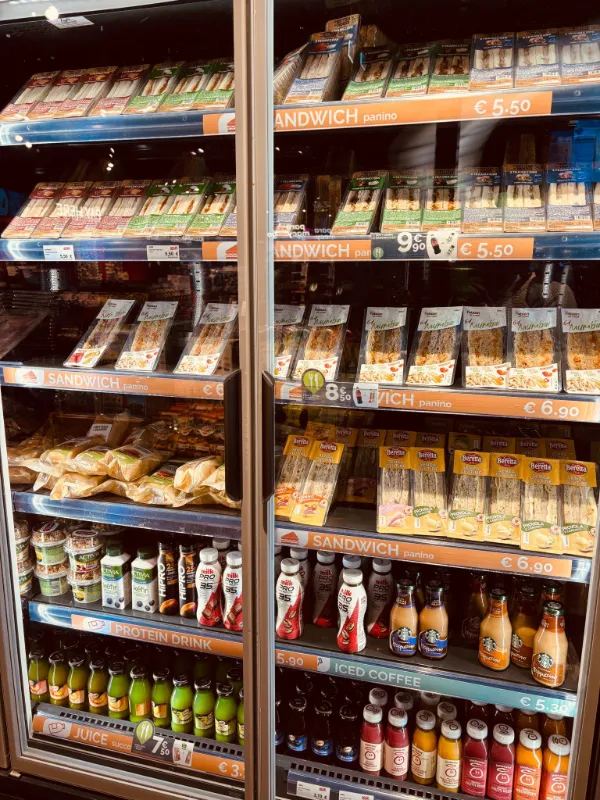
That’s your window: if you have time, wait until those nearby flights are mostly onboard, then go eat. Alternatively, wander one “wrong turn” away from the main concourse—the hallway that looks like it leads nowhere, the restaurant not directly under a departures board. Those spots are calmer, quicker, and weirdly better.
And if all you need is snacks? Head to a news stand and look for the chaos. Boxes stacked everywhere. Employees mildly irritated. That’s restock time. Shelves are fullest right after a delivery, and it’s the best shot you’ll have at fresh sandwiches and uncrushed chips in an airport.
5. Your Best Seat Upgrade Isn’t an Upgrade
If you’ve ever hovered over the “upgrade seat” button, credit card half-out, pause for a second.
Airline seat maps are more fluid than they look. What seems sold out often isn’t—it’s just pending. Seats get blocked for all kinds of reasons: crew rest, families that haven’t been assigned yet, elite flyers who might roll in late. Exit rows, especially, tend to stay locked until the last possible moment, waiting on age checks or last-minute rule clearances. So instead of paying immediately, play the waiting game.
Check the seat map when check-in opens. Then check it again at the gate. You’ll be surprised how often new options quietly appear right before boarding, like the airline just reshuffled the whole plane.
If you’re going to ask a gate agent, timing is everything. Don’t catch them during peak chaos, when boarding groups are lining up and scanners are beeping nonstop. Wait until after a major boarding announcement, when there’s a brief lull and systems are updated.
You don’t need a clever pitch or elite status for this—just decent timing and a polite ask. In air travel patience beats charm more often than not.
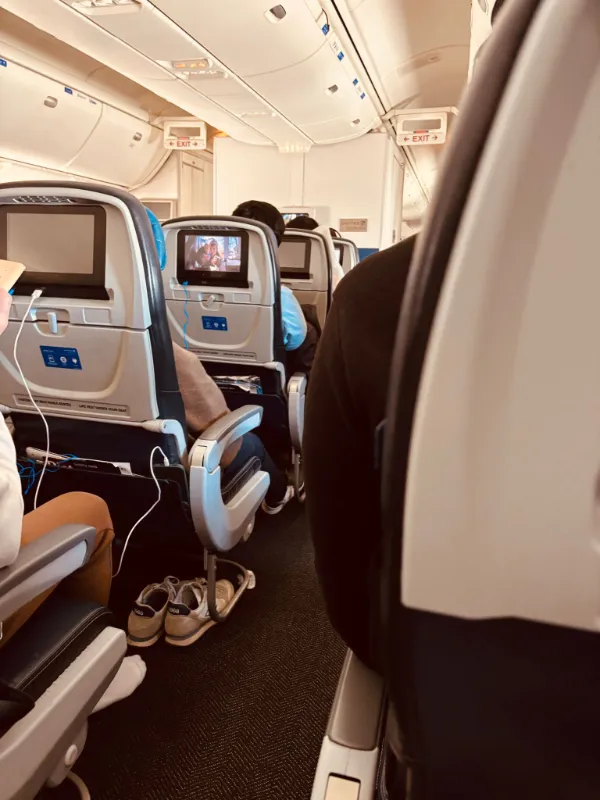
6. Airports Have Hidden Work Zones. Find the Ugly Ones.
The best places in airports are never the ones you see online. They don’t have greenery walls or neon signs telling you to “relax.” No one is taking selfies there. In fact, they often look mildly forgotten.
I always look for corridors labeled “Business Center,” “Conference Rooms,” or, my favorite, nothing at all. Half-abandoned airline club entrances are another good clue, especially in older terminals that haven’t quite kept up with renovations. If the carpet feels dated and the lighting is slightly too dim, you’re probably close.
Airports don’t grow evenly. They expand in bursts, which leaves pockets behind—quiet eddies in the airport river where time slows down. These forgotten zones usually have more power outlets, more seating, and far fewer people narrating their entire personal saga on speakerphone.
They’re not pretty. They won’t get likes. But they’re where you’ll actually get some peace.
7. Flight Delays Are Information Gold—If You Read Them Correctly
The moment a delay pops up on the board, I stop looking at the clock.
Stated delay times are aspirational at best. What actually matters is the plane. Your plane. Where it is, what it’s doing, and whether it has even left the city it’s supposed to be coming from.
This is where flight tracking apps become more useful than any announcement. A quick check will tell you everything the gate screen won’t: if the aircraft is still parked somewhere else, or hasn’t departed at all, the delay you’re seeing is almost never the final one.
That’s your cue to act early.
Get food now, while everyone else is sitting hopefully at the gate. Explore rebooking options now, before hold times explode. If gates are about to reshuffle, move yourself closer to likely alternatives while the crowd is still in denial.
Airports don’t reward optimism…They reward informed pessimism—and the people who read the signs before they’re spelled out.
8. Airport lounges are life
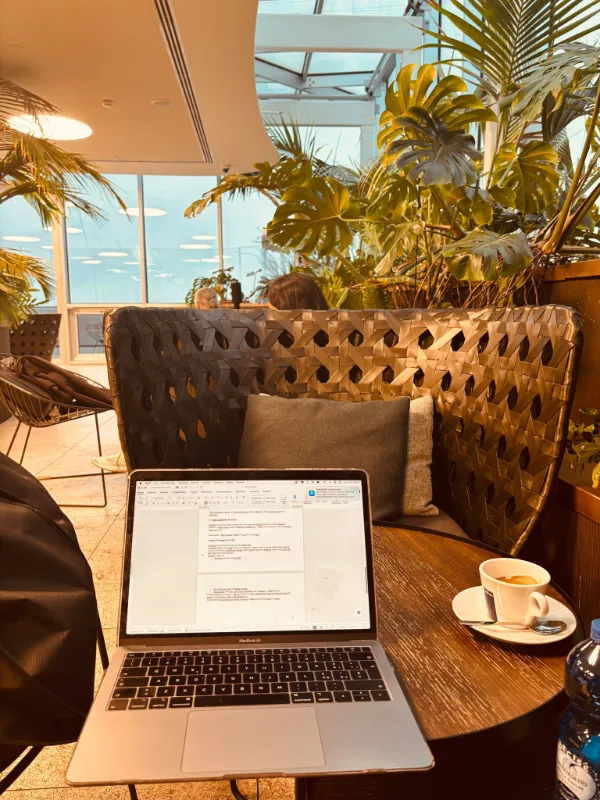
If airports are puzzles, lounges are the cheat codes.
You don’t need to be flying first class to find one—many credit cards and memberships unlock access. Once inside, everything changes: quiet spaces, real food, plentiful outlets, and chairs that don’t feel like torture devices.
Use the lounge to:
- Recharge devices and yourself
- Eat without rushing or battling crowds
- Strategically plan your next move (boarding, gate changes, or flight delays)
Lounges aren’t just comfort—they’re control. A calm, stocked space lets you move through the airport on your terms, rather than reacting to it.
Airport stress melts when you realize you have a little personal HQ amid the chaos.